

-
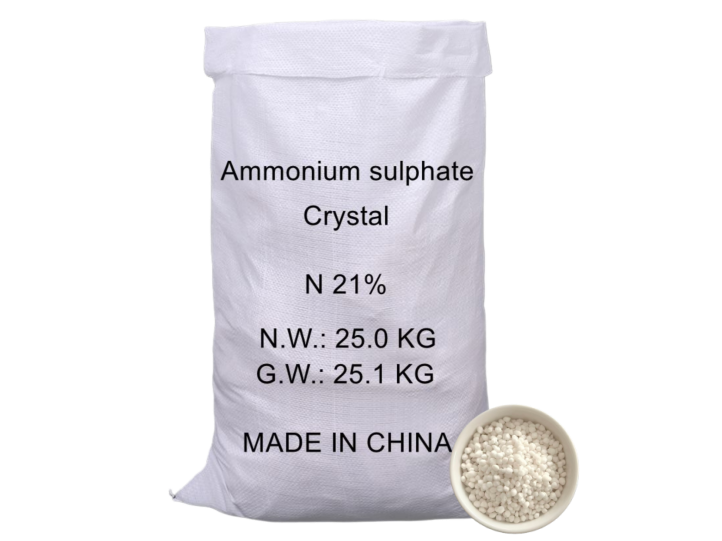
Ammonium Sulphate Granular N20.5%
-
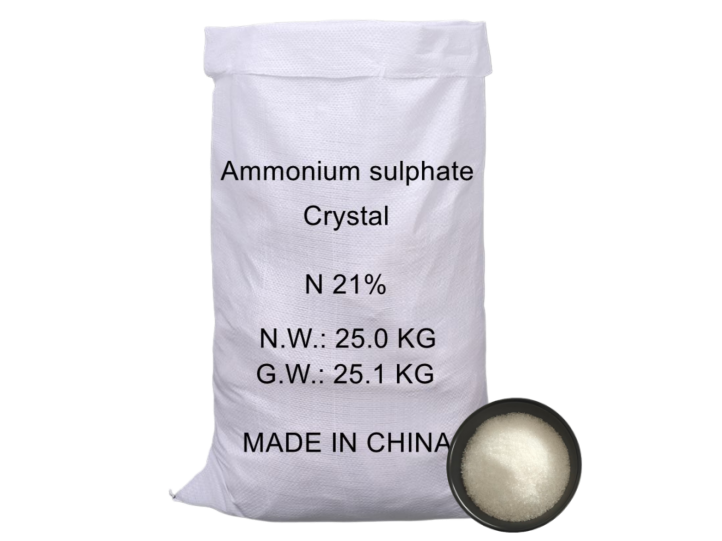
Ammonium Sulphate Crystal N21%
-
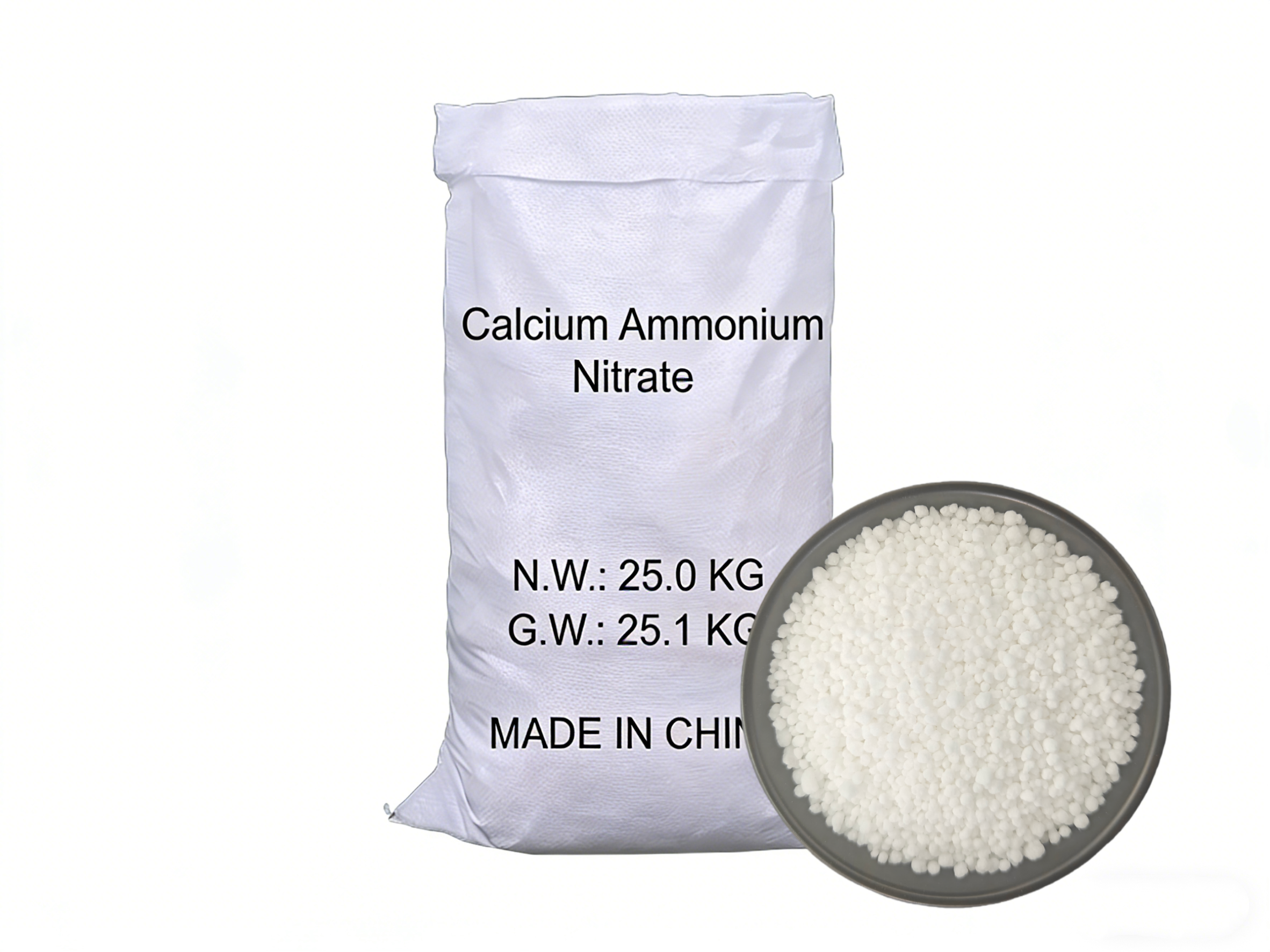
Calcium Ammonium Nitrate (CAN) Granular
-
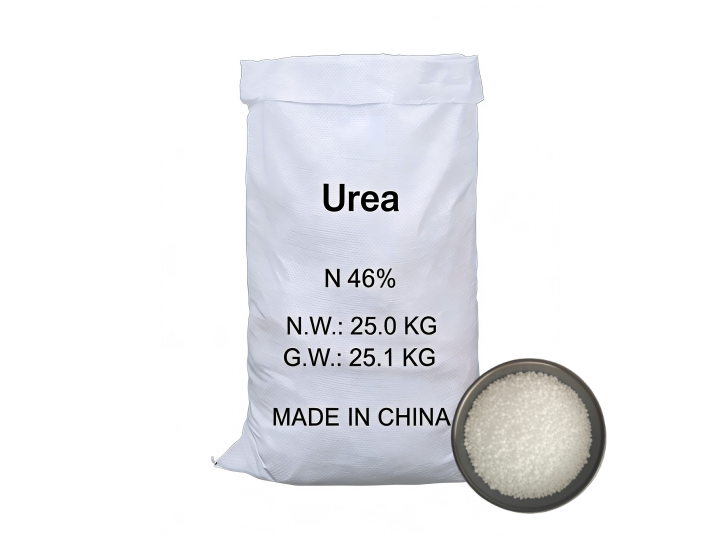
Regular Granule Urea 0.85–2.80
-
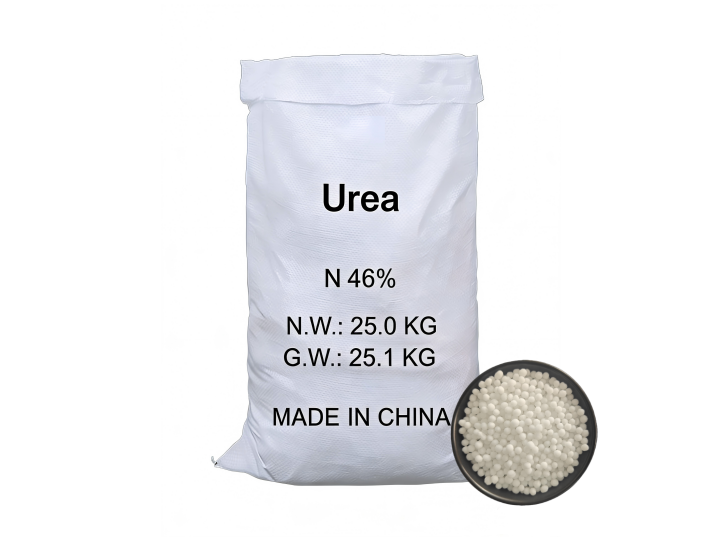
Big Granular 2.0–4.75 Urea 46% N
-
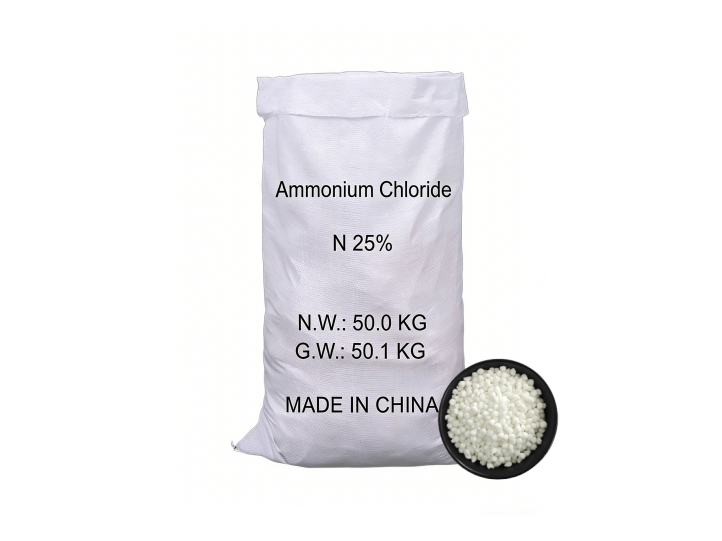
Agricultural Grade Ammonium Chloride powder
-
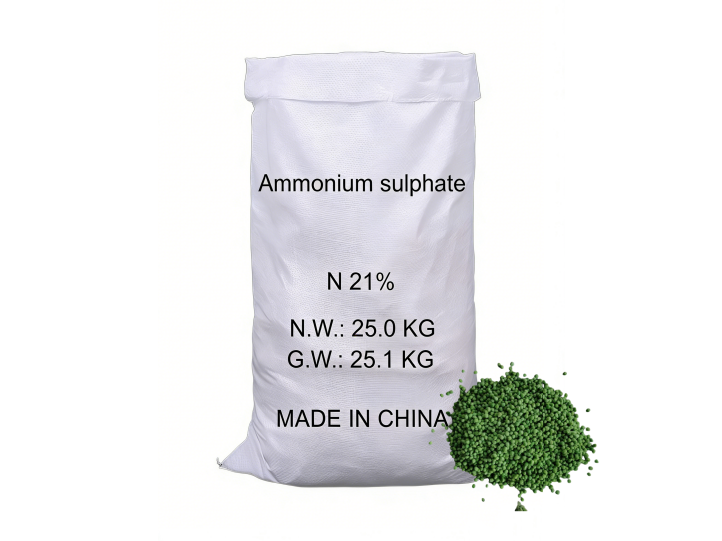
Green Granule Ammonium Sulphate Fertilizer 21%N
-
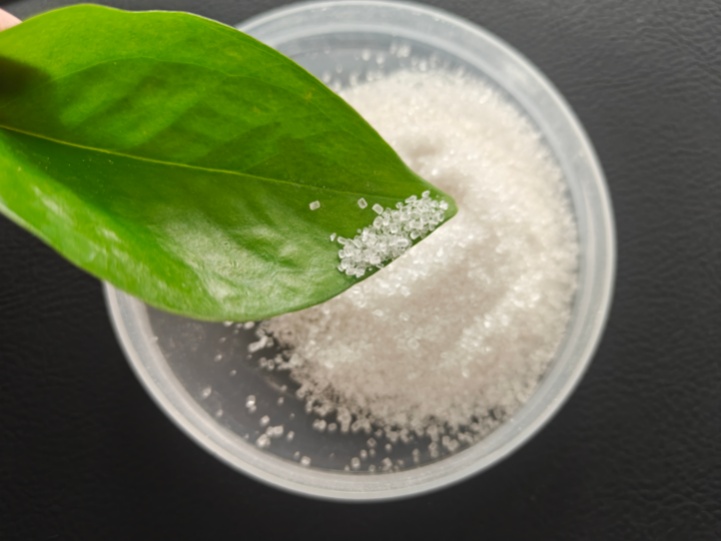
Nitrogen Fertilizer Ammonium Sulphate Price
-
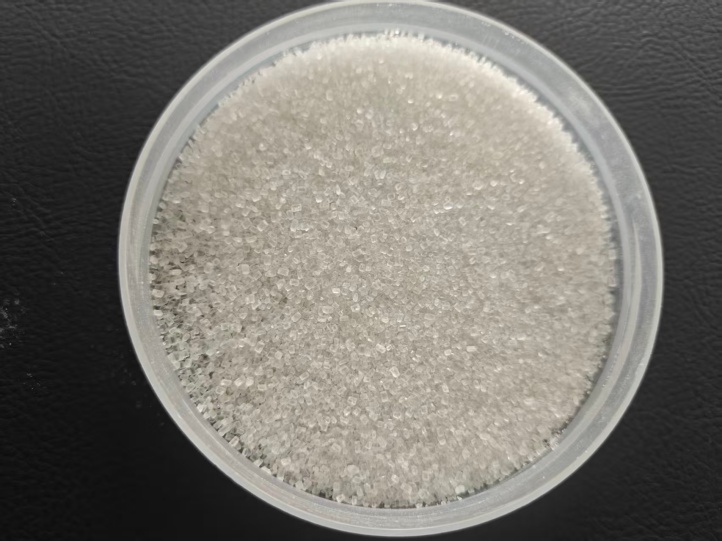
N21% Ammonium Sulfate Capro Crystal
Nitrogen is a fundamental chemical element represented by the symbol N and atomic number 7. As a light nonmetal, it is the most abundant uncombined element in Earth's atmosphere, making up approximately 78% of the air we breathe. Under standard conditions, NITROGEN exists as a colorless, odorless, and tasteless diatomic gas. Despite its relative chemical inertness due to a strong triple covalent bond between its atoms, NITROGEN is absolutely vital for life on Earth and plays a cornerstone role in modern industrial and agricultural applications.
Nitrogen is an essential building block for all living organisms. It is a core component of amino acids, proteins, nucleic acids such as DNA and RNA, and chlorophyll. All plants and animals require nitrogen to grow and reproduce. However, most living things cannot directly absorb nitrogen gas from the air. They rely on nitrogen fixation, a natural process carried out by soil bacteria, to convert atmospheric N₂ into ammonia and nitrate compounds that roots can take up. Farmers also use nitrogen-based fertilisers to boost crop yields, supporting global food production.
Industrially, nitrogen is produced by fractional distillation of liquefied air. Its applications cover many sectors. In food packaging, nitrogen fills sealed bags to displace oxygen, slowing oxidation and preventing food spoilage. In metal processing, nitrogen serves as a shielding gas to avoid oxidation during welding and heat treatment. The electronics industry uses high-purity nitrogen to protect semiconductor chips from contamination during manufacturing. Liquid nitrogen, at -196°C, provides ultra-low temperature environments for cryogenic storage of biological samples, medical specimens and frozen food.
Though nitrogen is vital, excess nitrogen compounds from fertilisers and industrial waste can trigger water eutrophication, causing algae blooms and damaging aquatic ecosystems. Therefore, rational use and recycling of nitrogen resources remain important environmental tasks. Nitrogen’s unique physical and chemical properties make it an indispensable element connecting nature, agriculture and modern industry.